

 rootAdmin
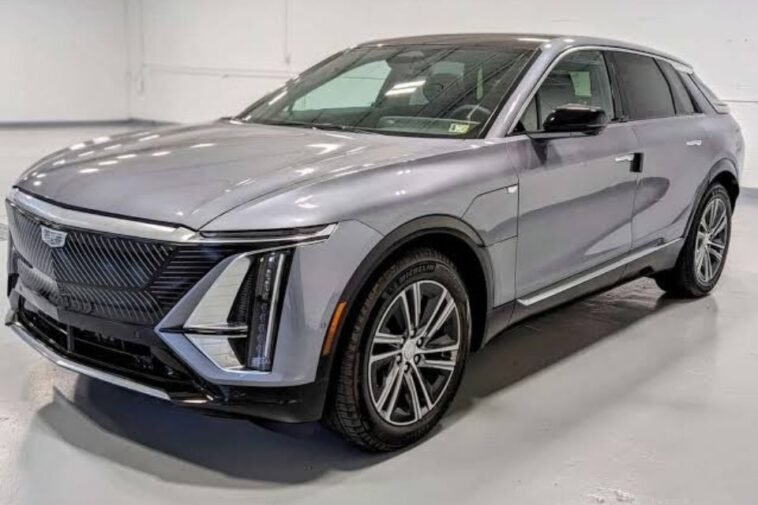
Cadillac gives LYRIQ drivers a few ways to shape how the car feels on road. Drive modes change how the vehicle reacts to the accelerator, the steering, and the surface underneath it. The battery, meanwhile, supplies the energy for every trip. Once you see how the two relate, picking a mode for the situation gets easier, and you stop expecting a setting to conjure extra capacity that is not there.
That is the main thing to remember. A drive mode alters behavior. It has no effect on how much energy the battery holds. What you actually get out of a charge depends on how you drive, the road and weather, how much you use the climate control, and what equipment the car has. This guide to Cadillac Lyriq drive modes range battery explains what each mode is built to do and how to get sensible use out of it.
Table of Contents
What Are Different Cadillac LYRIQ Drive Modes & How To Optimize Them?
Which modes you see depends on model year, trim, region, and equipment. A LYRIQ may offer a Sport Mode, a Tour Mode, an Ice/Snow Mode, as well as a My Mode. Each one adjusts a different set of vehicle systems, so they don’t all act in the similar way. Your owner’s manual lists the modes and customization options for your particular car, and it is worth checking there first.
Tour Mode: Balanced Driving For Everyday Efficiency
Tour is meant for ordinary highway as well as city driving. It aims for a middle ground between ride handling & comfort, and the response feels smooth and familiar. For moving errands, commuting, and longer trips, it is a practical place to start.
How to optimize it: Pick Tour when you want a predictable, everyday response, then put your attention on driving smoothly. Build speed gradually instead of pushing hard away from every stop. Read the traffic ahead and avoid needless changes in speed. On the highway, hold a steady and legal speed when conditions let you. Tour is not a range-boost button. Accelerate sharply or drive fast in this mode and the energy will still disappear quickly.
Sport Mode: Responsive Performance & Battery Demand
The car’s character is enhanced by its sportiness. Depending on the car’s available options, the car’s sportiness can alter the accelerator pedal calibration, how hard you have to turn the steering wheel, the sound of the engine, the way the adaptive cruise control works, and also improve the suspension performance. The car’s sportiness is designed for drivers that prefer to have a greater amount of control and response from their car when driving on good, dry roads.
A faster accelerator does not indicate that the vehicle’s battery is consistently providing full power. In general, energy consumption increases as a result of the driver using this improved accelerator to repeatedly accelerate quickly or to accelerate forcefully.
How to optimize it: Choose Sport mode based on how well the vehicle handles and responds to your driving needs, not just because you believe it will save energy. If you are concerned about monitoring fuel usage, use the acceleration smoothly and then run both similar types of trips using Tour mode to compare the differences. Do not assume that Sport mode will always result in a set decrease in the range available to you. There are many variables that can affect this, such as driving habits and weather conditions.
Ice/ Snow Mode: Traction Before Range
The Ice/Snow mode adapts to surfaces that are slippery. It adjusts accelerator response to help manage traction, and on some vehicles it also changes electric All Wheel Drive behavior and steering. Acceleration can feel less immediate, especially next to Sport, because the system is putting controlled movement first on low-grip roads.
It is not an economy setting. Cold temperatures, snow resistance, winter tires, and cabin heating can all reduce range, so a lower estimate in winter should not automatically be pinned on the mode you picked.
How to optimize it: Use Snow/Ice when the road calls for it and keep your inputs smooth and gentle. If the surface is slippery, do not move to another mode just to see a bigger range figure. Follow the winter-driving advice in the manual. Cadillac also recommends turning One-Pedal Driving off on slippery roads.
My Mode: Personalize The Balance
Through My Mode, you can customize selected characteristics to your own taste. Depending on equipment, the options can include acceleration & brake feel, steering, suspension and motor sound. The acceleration may offer Relaxed, Sport or Tour choices, and other settings may have Tour & Sport options.
Because you set it up yourself, My Mode has no single efficiency profile. A setup that makes gradual acceleration easier can encourage smoother driving. A sharper one may tempt you into stronger inputs, though the driver is still the one pressing the accelerator.
How to optimize it: For everyday driving, think about a relaxed or Tour-like acceleration if your car offers it, then choose steering and brake settings that feel comfortable and predictable. Change one setting at a time and judge it over several comparable journeys. Treat the outcome as a personal preference. It is not a guaranteed range improvement.
How Regenerative Braking Influences Battery Range
Understanding Cadillac Lyriq drive modes range battery also means recognizing that regeneration helps recover some energy in traffic, where slowing down is already necessary. The LYRIQ also has Regen on Demand, which asks for extra deceleration through a paddle on steering wheel. One-Pedal Driving can use regeneration to slow the car when you lift off the accelerator.
Regeneration helps in traffic, where you have to slow down anyway. It cannot return everything you spent accelerating, though. Driving smoothly and avoiding needless acceleration and braking is usually a better starting point than counting on regeneration to win the energy back later.
Battery condition plays a part as well. Cadillac notes that regenerative power may be limited when the battery is cold or nearly full. If regeneration feels weaker than usual, that may simply reflect the battery’s state, not a fault. On slippery roads, follow the owner’s manual and avoid One-Pedal Driving or Regen on Demand where it advises against them.
Practical Ways To Optimize Cadillac LYRIQ Range
- Keep speeds consistent: Aerodynamic resistance rises with speed. Drive at a safe, legal pace and skip the unnecessary bursts of acceleration.
- Use climate control thoughtfully: Heating, cooling, and other cabin features all draw energy. Pick comfortable settings and avoid extreme adjustments.
- Prepare for the weather: Cold or hot conditions can change both energy use and the range estimate. Allow for the season when you plan a trip.
- Check the vehicle’s energy information: The LYRIQ’s displays show energy use and efficiency data. Look at the trend over whole journeys, because one short drive says little about range.
- Choose the right mode for the conditions: Tour is a sensible everyday default. Sport suits a more responsive feel, Snow/Ice belongs on slippery roads, and My Mode covers personal preference. Safety and control come before small differences in estimated range.
Conclusion
To get the most from the LYRIQ’s drive modes, understand what each one changes and match it to the road in front of you. Tour gives balanced everyday behavior. Sport puts the emphasis on response. Snow/Ice supports traction, and My Mode offers you personalise selected characteristics. None of them alters the battery’s stored capacity, and no mode guarantees a particular range.
For a better-informed approach to Cadillac Lyriq drive modes range battery, pair a suitable mode with smooth acceleration, sensible speeds, and an eye on weather and battery conditions. The best setting is the one that keeps your driving safe and comfortable while helping you manage energy in a realistic way.